Loading... Please wait...Melbourne Recording Studio
Click the Tabs for further information

The GEAR, The SPACE, The VIBE & The SOUND.
Our State of the art facility is located in Hallam, Melbourne, Australia.
THE GEAR = The Best of Both Worlds - Analog front end into ProTools through awesome Microphone Preamps, Microphones and Analog to Digital Converters. All the classic gear to get you the best sound.
THE SPACE = Massive Live Room (10m x 8m x 5.5m height) and Control Room gives you an Acoustically pleasing space with many options for different sounds - open and reverberant or closed and focussed.
THE VIBE = Because that's what it is all about! Big spaces, comfortable couches, lounge areas, Coffee Machine, TV/DVD/Internet etc,
Pinball and Arcade Machines, mood lighting plus close to restaurants, pub and food.
THE SOUND = Quality gear, awesome acoustic spaces and Engineers give you the Sound you are after!
We also cater for Re-amping, Mixing, Corporate, Voice-Overs, Sound Replacement and just about any of your possible recording needs. Freelance Engineer rates also available.
Our studio comprises the best Vintage and Modern Recording Equipment and Instruments which coupled with our awesome recording spaces helps produce the best sound possible for your project.
Our Recording System offers 34 simultaneous inputs of high quality mic preamps and Analog to Digital Conversion with more than enough options to please any Audio Engineer or Musician.
![]() |
System Notes: 34 input / 20 output ProTools System with great sounding Analog to Digital and Digital to Analog converters. Insert real world outboard and have the best of both worlds!
We also have a secondary "mobile" ProTools HD System comprising of Digidesign HD3 with Mac Pro (26 inputs). |
The best Vintage and Modern Microphone Pre-Amps
Instead of a large console with 30+ of the same Microphone Pre-Amps, we have over 30+ channels of different flavoured mic pres. This way we can use the best Mic Pre's for each instrument which really helps define the sound and creates space in the mix.
|
|
Outboard Compressors & EQ
Sometimes it's much nicer going through Analog compressors and EQ rather than digital plug-ins.
Outboard Effects Processors
Other Items
Microphones
We have many Classic and Modern Microphones to suit many different vocalists and instruments. There's a mic to suit any application.
+ many more. |
|
Monitoring
Ensuring that your mix translates to the outside world we have all of the right speakers and monitoring solutions to make sure what you hear in the studio is what you hear everywhere.
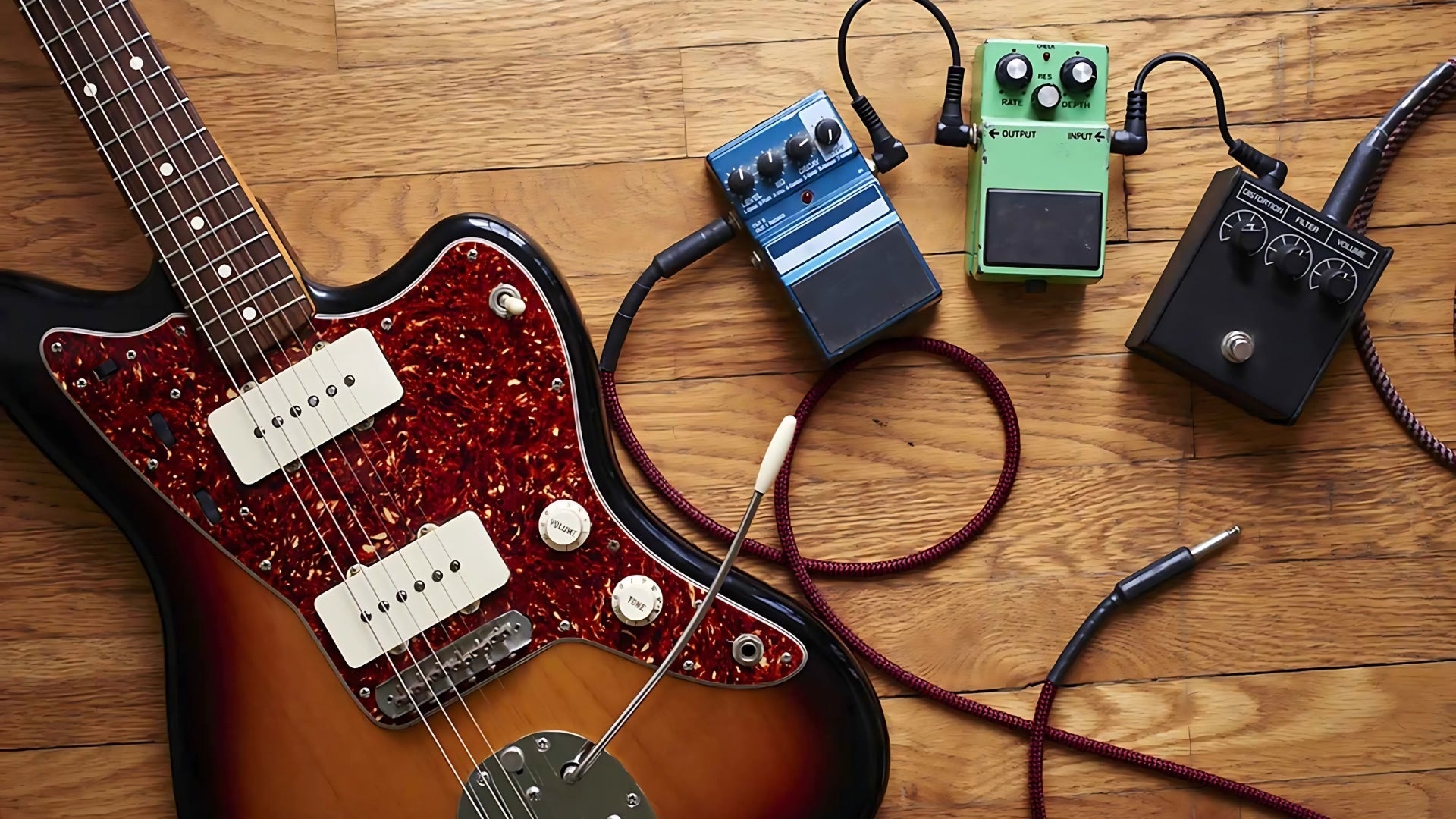
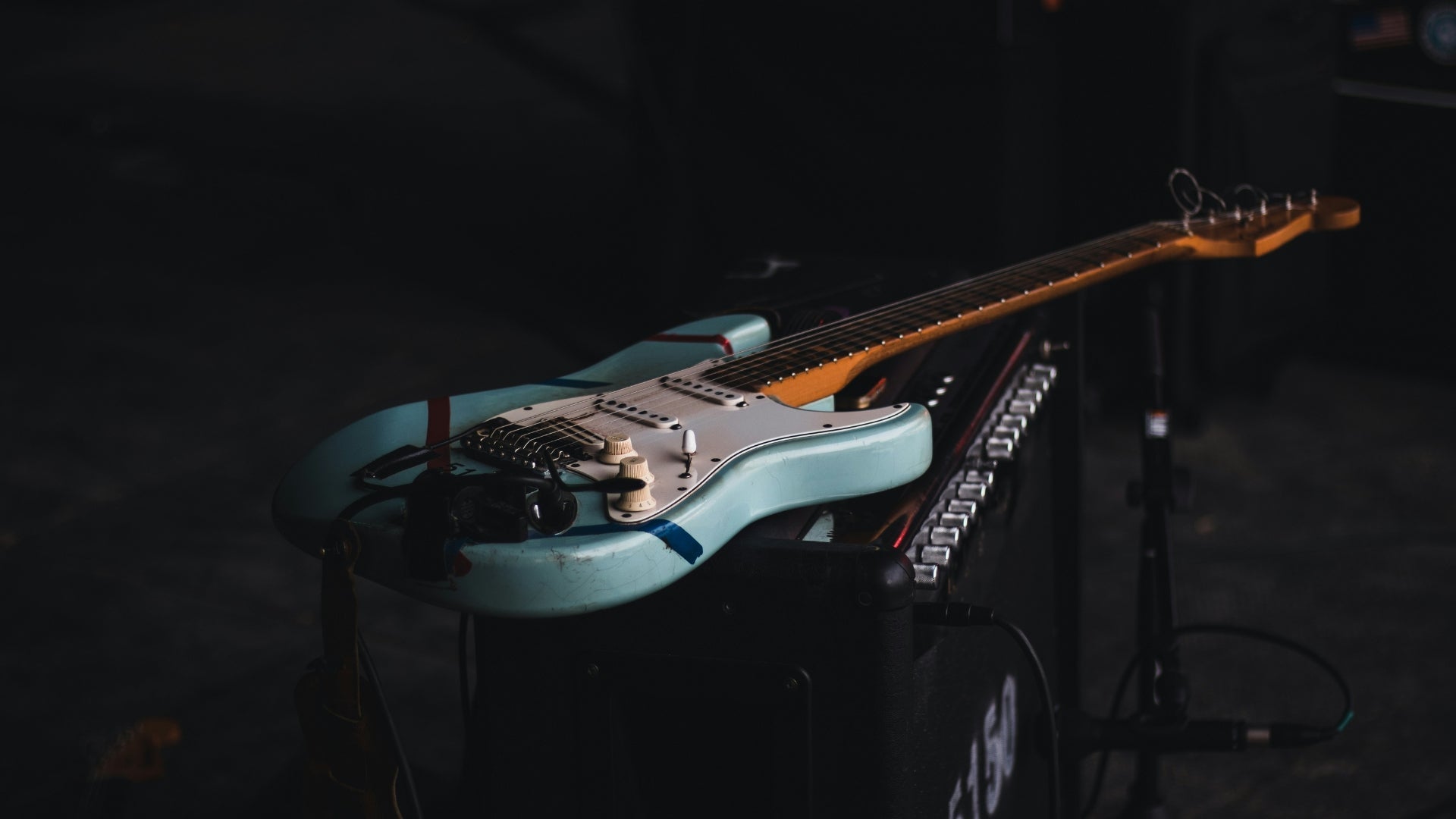
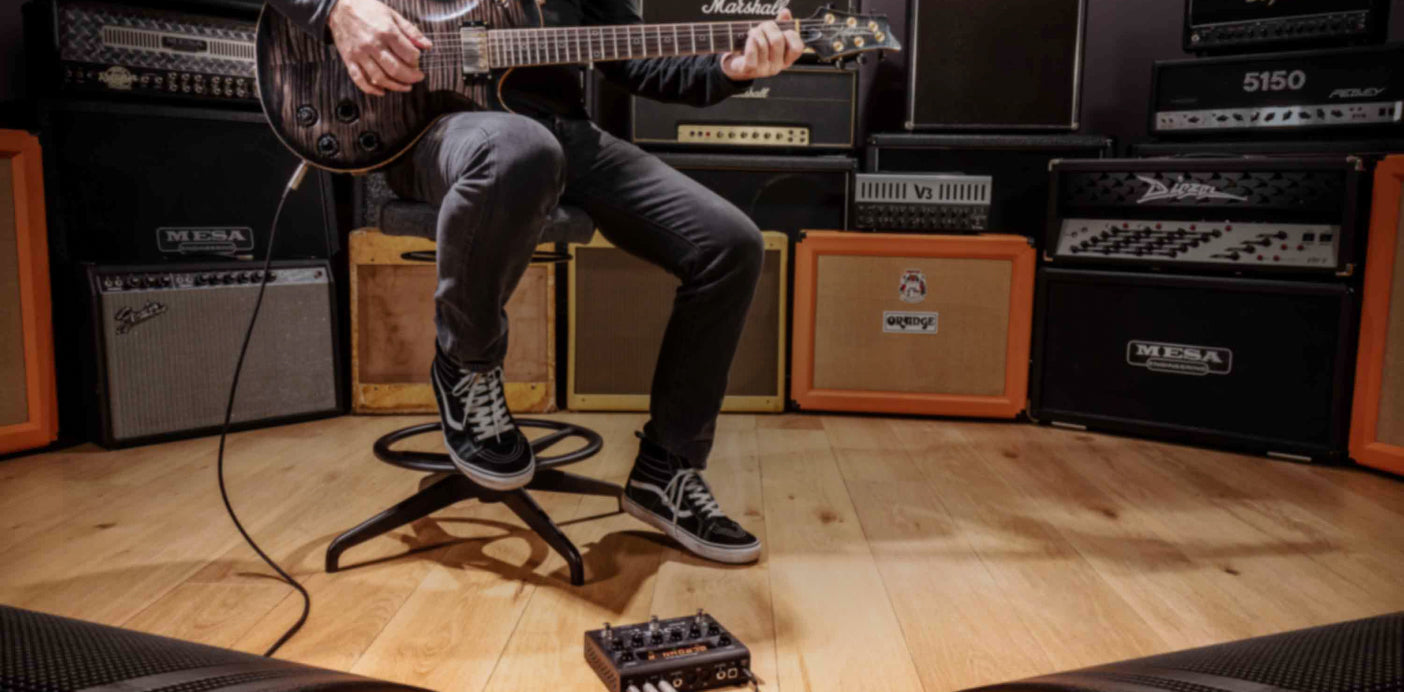
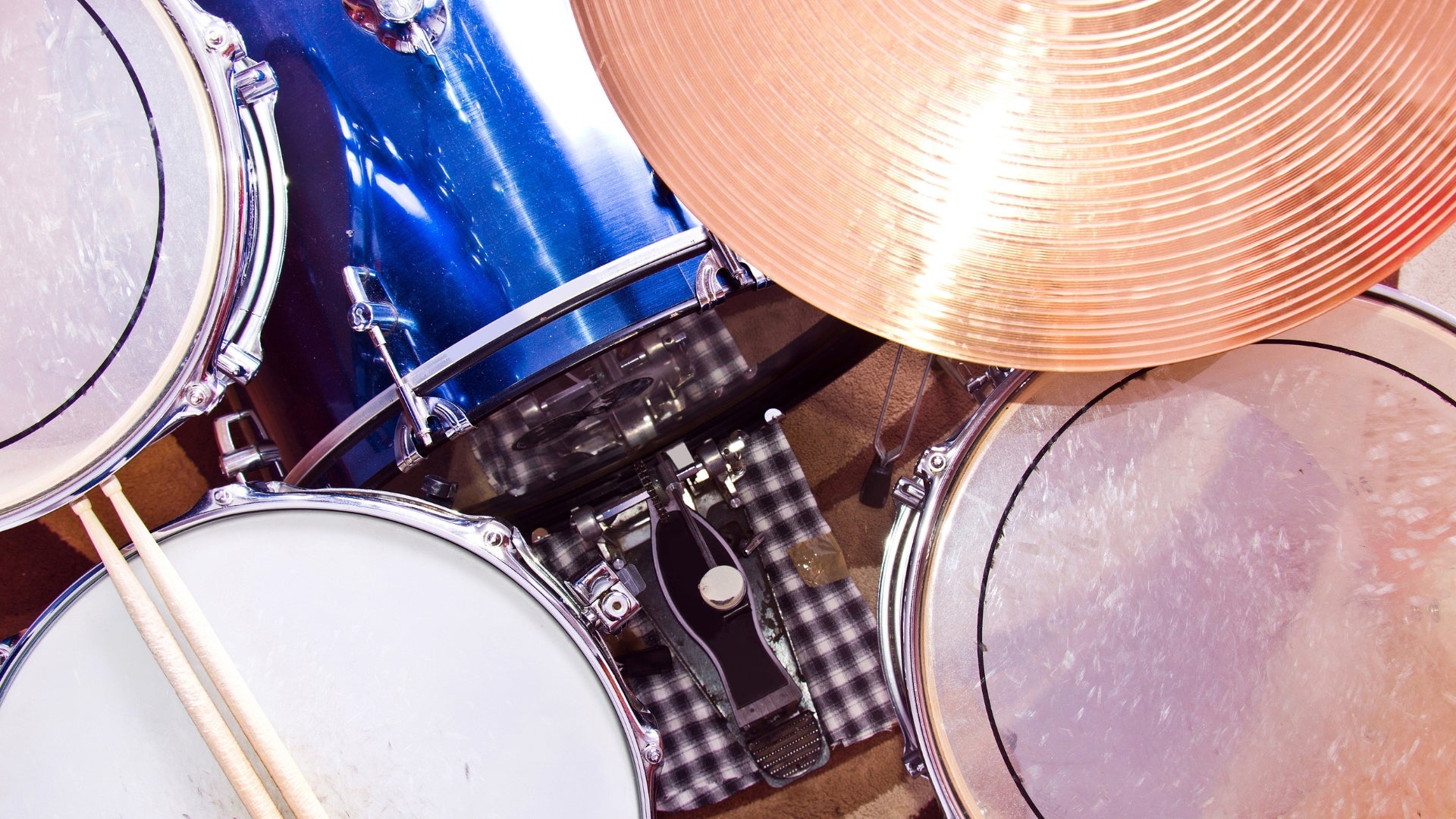
Before you get to the nitty gritty of the audio chain, the first port of call is the instruments you are using. We have heaps of great options for drums and amplifiers that can help you achieve the best possible sound. What would be better than using a different snare on each song or a different amp for each guitar sound? All of these Instruments and Backline are included Free of Charge with all Recording Sessions.
DRUMS - GUITARS - GUITAR & BASS AMPLIFIERS - GUITAR COMBOS - SPEAKER BOXES - KEYS
Drum Kits
Snare Drums
CYMBALS - Zildjian, Sabian, Alchemy, Istanbul, Bosphorus etc
HAND PERCUSSION - lots of tambourines, shakers, cowbells etc etc.
Recording Studio Rates
We usually base our Recording Studio rates based upon your specific project. Please contact us with details on what you are looking to achieve and we can personally quote on your recording project.
As a guide our studio rates start around $77/hr or $550/day with a standard house engineer.
We also offer great "Freelance Engineer" rates for 'qualified' Audio Engineers who want to bring their own projects into our studio. If you are an Audio Engineer looking for an awesome studio to work out of please call us to discuss your requirements.
PONY MUSIC RECORDING STUDIO WHAT PRICE DO YOU PUT ON QUALITY?
TO ENQUIRE OR MAKE A BOOKING PLEASE CALL US ON (03) 9702 3244 OR EMAIL.
All prices are subject to change and bookings are dependent on availability.
| Hourly | Daily | 4+ Days | |
| Studio + PRO Engineer | $99.00 | $750.00 | $688.00 per day |
| Studio + Standard HOUSE Engineer | $77.00 | $550.00 | $470.00 per day |
| Studio Only - FREELANCE | $55.00 | $350.00 | $300.00 per day |
| SETUP FEE (payable on all sessions/per block of days) | $88.00 |
Minimum booking is 1Hour, A DAY is considered 8 hours of work within our standard hours of business.
| PRO EP Bundle (4-5 Songs) | $6600 | Mastered by Crystal Mastering | Contact us for more information |
| PRO SINGLE | $1800 | Mastered by Crystal Mastering | Contact us for more information |
| DEMO WEEKEND | $990 | 2 x 8 Hour Days Weekend | With Standard House Engineer |
Freelance Engineers may require a House Engineer to setup, pickup and changeover, with a minimum charge of 2 hours.
A SETUP FEE of $88.00 is payable on all sessions (payable per block of days)
Recording Studio Gallery
Click on the thumbnails to view larger photos.
Samples of some recent recordings from Pony Music
ALL INSTRUMENTS IN THESE SAMPLES ARE ACTUALLY RECORDED INSTRUMENTS
*no musicians were harmed in the recording of these songs!
DEFRYME - SUP? - Taken from forthcoming XV Album - Style: Rock - Recorded, Mixed & Mastered @ Pony Music by Damien Young & Geoff Mison
NE'OBLIVISCARIS - A Plague Flowers The Kaleidoscope - Taken from "Portal of I" Album - Style: Extreme Progressive Metal - Recorded @ Pony Music by Troy McCosker - Produced by: Tim Charles & Troy McCosker - Mixed and Mastered by: Jens Bogren
Delfie - Save Myself - Taken from "A Single Thread" Album - Style: Pop - Recorded, Produced & mixed @ Pony Music by Steve Lymburn & Dave Kerven - Mastered by: Rick O'Neill @ Turtlerock
LITTLE FEET MUSIC - Pengiuns - Taken from "Jump Around" Album - Style: Childrens (with real instruments!) - Recorded & Mixed @ Pony Music by Damien Young
STATE OF EAST LONDON - Liar Cometh - Taken from "Repugnance" Album - Style: Deathcore (explicit lyrics!) - Recorded & Mixed @ Pony Music by Troy McCosker
NATHAN VARGA - Sample taken from "The Ripple Effect I,II,III - Style: Acoustic - Recorded & Mixed @ Pony Music by Geoff Mison
All rights of the Original Artist reserved. All songs ©copyright of the Original Artists.
Some of the Albums, EP's and Singles wholly or partly recorded at Pony Music
Other notable Musicians, Bands and Audio Engineers who have utilised our Recording Studio include:
Whitfield Crane (Ugly Kid Joe), Leo Sayer, Glenn Shorrock, The McClymonts, Lee Kernaghan, Dead Letter Circus, Tasha Amoroso (X-Factor).
Kris Crummett (US Engineer/Producer), John Hudson (UK Engineer), James Lugo (US Engineer/Producer).


Engineers
The Audio Engineers at Pony Music have a wealth of experience in both Live mixing and Studio recording and will work with you to get the best possible result for your project and budget. The following are our regular House Engineers, there are also a number of "freelance" engineers who work in our studio frequently.
We have also played host to a number of International Engineers such as: John Hudson (Mayfair Studios UK), Kris Crummett (Interlace Audio, Portland OR) and James Lugo (Hemispheres Recording, Raleigh NC).
![]() |
Troy McCosker - Audio Ninja Credits include:
|
![]() |
Damien Young Credits include:
|
![]() |
Geoff Mison Credits include:
|
RECORDING & PRE-PRODUCTION TIPS
For bands or Musicians looking at recording in the near future please check out our RECORDING & PRE-PRODUCTION TIPS which are designed to give you the best result in the studio. These are a "work in progress" and we'd appreciate any feedback.
“How to get the most out of your time in the recording studio”.
These tips are for bands and musicians who are getting ready to go into the recording studio to record their music.
PRE-PRODUCTION before entering the studio ensures smooth project sessions, saving you time, money, and results in better recordings. Pre-production involves working out all musical and vocal parts to each song prior to tracking (know your solos and backing vocals!).
Pre-production suggestions:
1. Understand your goals for the recording. What is the recording for?
- Personal Enjoyment
- Demo for Promoting, Booking Live Gigs/Clubs
- Demo for Shopping Label Interest.
- CD Single for Radio Play
- Album Project for Release etc
Knowing exactly what you want to achieve during your time in the studio will ultimately reflect on how long you spend on certain parts of the recording process, a demo will obviously take less time than an album release of the same amount of songs. Having a vision of the final outcome with your budget in mind will give the engineer a clear indication of what they have to do to get you the result you envision.
2. Record your songs at rehearsal. Even a simple cassette recording on a boom box may reveal weaker parts of a song in need of improvement. Record and review all your songs. Practice the songs over & over until everyone can play their parts backwards in their sleep!
3. Rehearse more songs than you plan on recording. It is often hard to know which songs will sound strong on the final mix. (If you plan to have a four song EP, prepare six songs just in case). Record the songs in the order of importance.
4. Record your best songs. Record songs that are fun to play and consider a variety of songs.
5. Choose your method of recording: Recording live in the studio: Some bands prefer to track live in the studio and this helps capture the interplay of musicianship better, but makes for longer set up time and many takes of each song to get a great performance from everyone. Most artists choose multi-tracking. The most important track is the Drum Track (the foundation for all overdubs), so it is imperative that it be flawless. All other instruments are done as a build-up (adding bass, guitars, vocals and percussion) to the recording. Each instrument is given individual attention and detail to ensuring the highest quality recording. If you plan on recording to a click track make sure you all practice playing along with one. With multi-tracking all instruments can be performing whilst concentrating on getting the drums recorded (essentially playing live), after which all other parts can either be kept or re-tracked as required.
6. Determine your budget. Think “quality” not “quantity”. Let the engineer know in advance how much time you’ve allotted for each session. He or she can help keep the pace going to meet that deadline. Remember to budget time for Mixdown and Mastering. A general rule of thumb: Mixing & Mastering of each song takes approximately the same amount of time as the tracking of each song.
7. Pre-session Consultation with the Studio Engineer. Make sure he/she knows and understands your vision before the session starts. Know what you want to sound like. Bring in reference CDs and let the engineer know by example the sound you are looking for.
The RECORDING Session:
Communication is the key to a successful recording session. It will keep everyone comfortable during the recording process. An artist needs to feel comfortable in order to get a good performance. Emotion and feeling make the best song, not necessarily the best technical performance. Working on a part over and over trying to get it technically perfect can sometimes destroy the emotional aspect of the part. Always make the song the highest priority (leave the egos at the door).
If you make a mistake while recording, don’t stop and start over. With multi-tracking, an engineer can punch in (edit) and correct simple mistakes. Sometimes a minor mistake is an example of “perfect imperfection” (actually adding to the performance’s honesty and emotion). If a part has a few minor errors, but great feel, it might be worth keeping. And remember, sometimes less is more! Here are a few suggestions for a successful recording session:
1. Be on time. Late arrivals can disrupt a whole recording session.
2. Introduce all band members to the engineer. Discuss your plans for the session and the desired instrument set-up.
3. At the end of tracking a song, wait for all instruments especially drum cymbals to fully decay before talking or making comment. The engineer will let you know recording has ended. Also, drummers, watch placing your sticks into one hand and making noise – silent endings.
4. Instrumental intros will need a time signature. If you are not recording to a click track usually a guitarist/vocalist will set the tempo and the drummer will join in with measured stick clicks, then guitarist will drop out with drummer still clicking the appropriate tempo. The drummer will provide a 1,2,3,4 verbal count in as the intro begins and continue through the beginning of the song. This sets up the timing for the overdub instrumental intro tracks. Stick clicks can easily be edited out during the mixdown process.
5. The best mixes are achieved by excellent recording. “Fix it in the mix” attitude will make it harder to get the final product right. Remember: A bad track will always stick out in the mix and the only way to fix it is to remove or replay the track. A bad take is not the end of the world, keep a positive attitude and try again. The luxury of recording is the ability to make composite tracks or rewind and re-record.
6. Communicate with your engineer throughout the project. Be flexible to accommodate the occasional changes that occur while recording your project. Your engineer will work with you to keep things running smoothly.
7. Keep your recording levels at a modest level. The recording studio is a controlled environment allowing for instruments to be recorded and mixed for a powerful sound. Tracking volumes should be loud enough to capture pleasing tones, but not so loud that microphone bleed over or room compression become an issue.
8. Bring to the session only those people who are directly related to the recording process (band members, producers and engineers). A crowded session will cause distractions and in the long run cost you money is wasted studio time. Important: While in session, try not to carry on with conversations in the control room. This will distract the engineer who is working hard to concentrate on your music. The studio lounge is a great place to let loose.
9. Singers: Always drink room temperature water and don’t use ice! Ice will constrict your vocal chords. Hot tea with lemon work very well for vocal tracking. Make sure to provide emotion & feeling and let the engineer worry about the technical rendition.
10. Check your tuning often. There is no excuse for out of tune parts. You may bring your own tuners with fresh batteries or utilize the studio tuners.
Getting The Vibe Right
Having a great vibe in a recording session is extremely important for laying down good takes. If the vibe of a sessions sucks, then the tracks will have a FEEL that sucks. It can be hard to keep up a cheery and energetic vibe after the 12th hour of a session, but there are ways around this!
Vibe can be brought down, or amped up in a number of ways.
Getting a good night's sleep before a session is a must. No one will really feel in the zone at 11am while they are laying down a drum track, after they've come in with a hangover and only 4 hours sleep. As a musician that has paid for the time in the studio, why would you waste your money and time going in to lay down music that just doesn't cut it because the players were all hungover/tired!