info@ponymusic.com.au
 03 8795 7472




Pony Music Buying Guide
5 Things Every Beginner Must Know Before Buying a Guitar
Learning guitar is one of the most exciting decisions you can make. Whether you are picking up an instrument or the first time, buying one for your child, or returning after years away, that moment of choosing your first guitar should feel like the start of something great.
The problem is that most beginners walk into a music store (or open a browser tab) and immediately feel overwhelmed. Acoustic or electric? Full size or smaller? How much should you actually spend? The options seem endless, and the last thing you want is to invest in the wrong instrument and lose motivation before you even play your first chord.
This guide cuts through the noise. Here are five practical things every beginner must know before buying a guitar, so you can make a confident choice and start your musical journey on the right foot.
1. Choose the Right Type of Guitar for the Music You Want to Play
Quick answerThe right guitar for a beginner depends on the style of music they want to play.
There is no single "correct" first guitar, but there is almost always one that suits your goals better than the others.
There are three main types to consider:
Acoustic guitars have steel strings and produce a full, bright sound. They are the most popular starting point for beginners and work beautifully for pop, rock, country, folk and singer-songwriter styles.
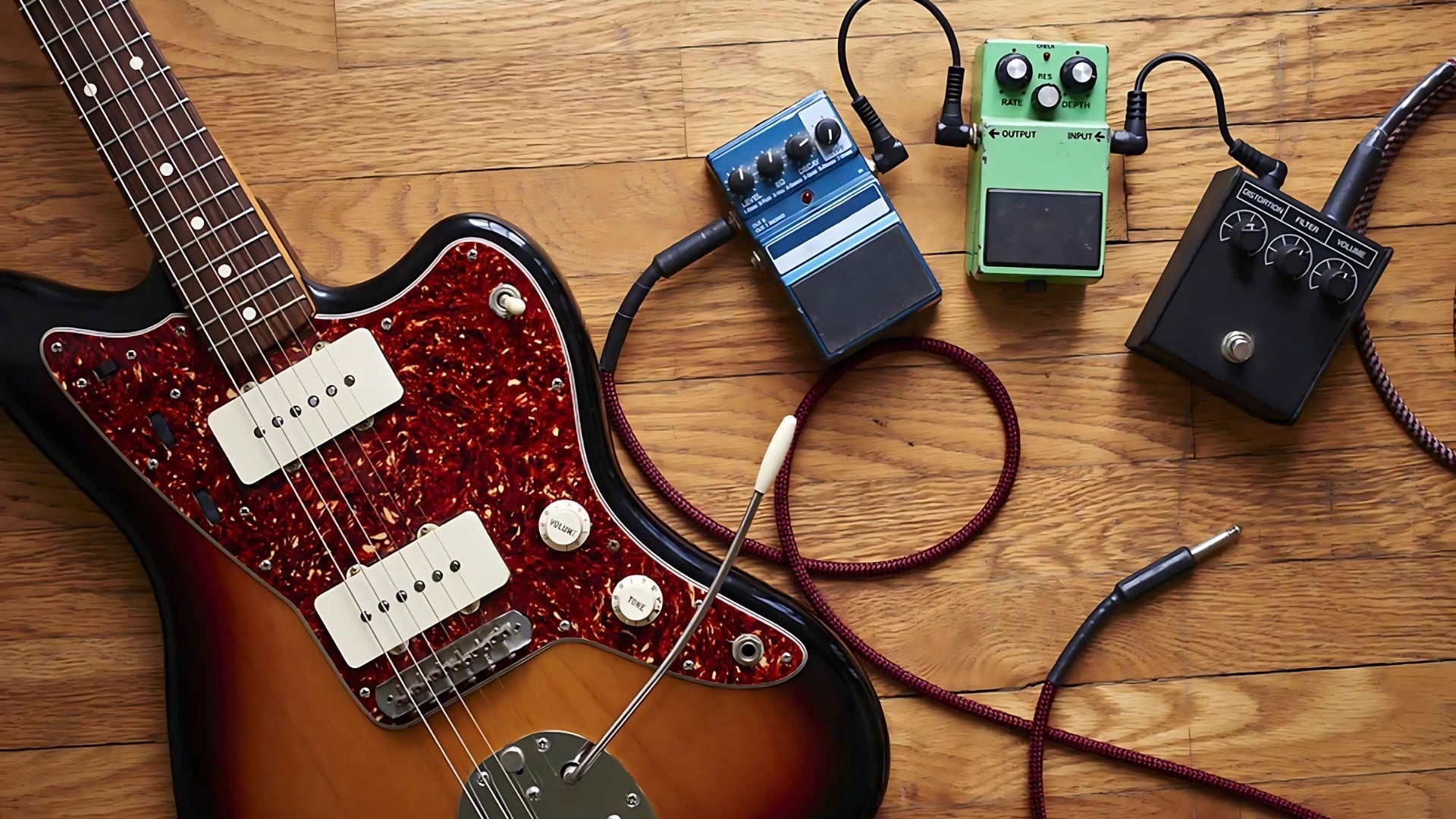
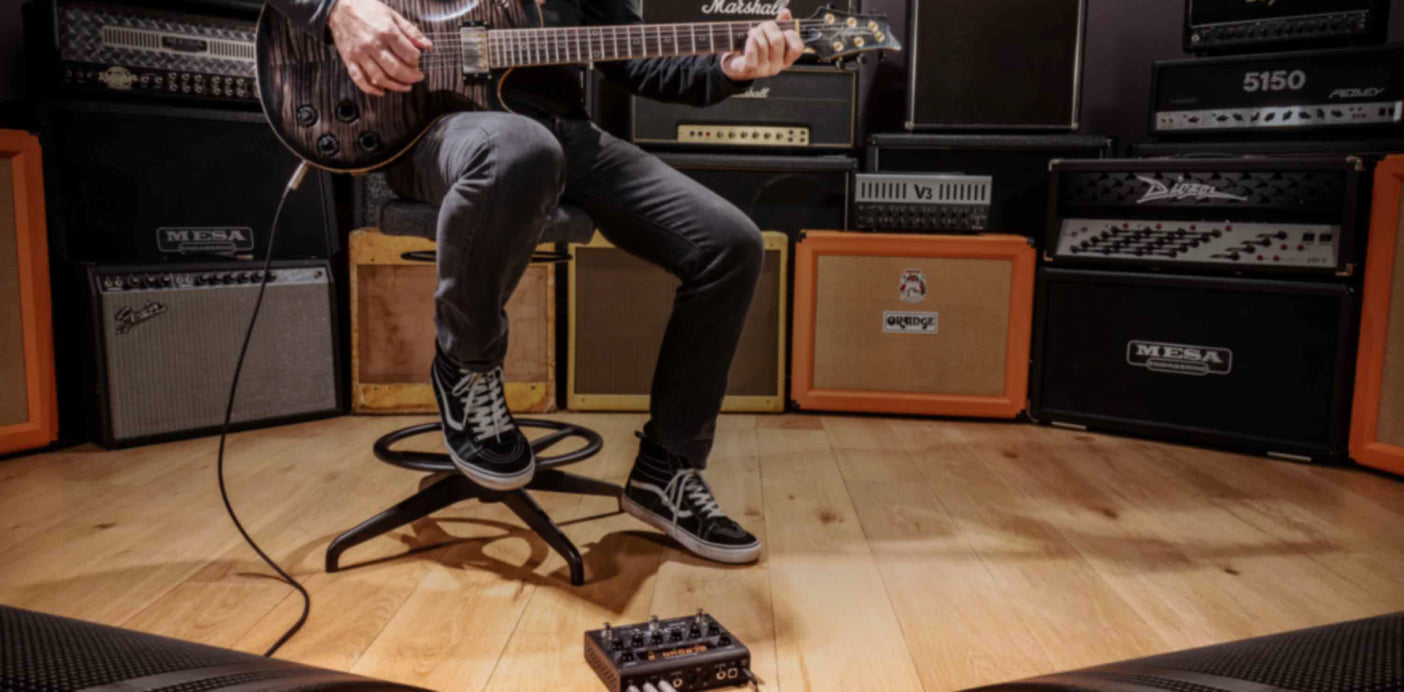
Electric guitars are built for rock, blues, metal and funk. They have thinner strings and lower string tension, which can actually make them easier to press down. The trade-off is that you will need an amplifier and cable to get the full experience.
If you are not sure which category fits, think about the artists you love and the songs you want to learn. That answer will point you in the right direction almost every time.
2. Acoustic or Electric Guitar: Which Is Better for Beginners?
Quick answerFor most beginners, an acoustic guitar is the best starting point because it requires no extra equipment and is simpler to manage from day one.
That said, this is the most common question we hear, and the honest answer is that both are valid choices. It really comes down to the music you want to play and how you plan to practise.

Here is a side-by-side comparison to help you decide:
| Feature | Acoustic Guitar | Electric Guitar |
|---|---|---|
| Extra equipment needed | No | Yes (amp and cable) |
| String tension | Higher | Lower |
| Best for | Pop, folk, country, singer-songwriter | Rock, blues, metal, funk |
| Typical beginner cost (AUD) | $150 to $400 | $200 to $500 (plus amp) |
| Portability | High | Moderate |
| Recommended for beginners | Yes, as a default | Yes, if music style suits |
If you are drawn to electric guitar because you love rock or blues, do not let anyone talk you out of it. A beginner who is excited about the music they are playing will always practise more than one who settled for the "safer" option.
The key takeaway: go acoustic if you are undecided or on a tighter budget. Go electric if you know the music you love calls for it.
3. Guitar Size Matters More Than Most Beginners Realise
Quick answerPlaying a guitar that is too large makes learning significantly harder and can discourage beginners before they ever get comfortable.
Guitar sizes are standardised, and choosing the right one directly affects how comfortable the instrument feels in your hands. For adults and teenagers, a full-size guitar is the right choice. For children, getting the size right is one of the most important decisions you will make.

Here is a straightforward size guide:
| Guitar Size | Best Suited For | Body Style |
|---|---|---|
| 1/4 size | Children aged 4 to 6 | Mini |
| 1/2 size | Children aged 6 to 9 | Small body |
| 3/4 size | Children aged 9 to 12 / smaller adults | Traveller or mini |
| Full size (4/4) | Teenagers and adults | Standard dreadnought or concert |
A quick note for parents: children grow quickly, so it is tempting to buy a full-size guitar to "grow into." Resist that urge. An oversized guitar is frustrating and physically awkward for small hands and arms. A properly sized guitar builds confidence far faster.
Adults with a smaller frame sometimes find a 3/4 size more comfortable for home practice, particularly for fingerpicking. If you can, come into the store and hold the guitar before you buy.
4. Do Not Forget the Accessories You Will Need from Day One
Quick answerMost beginners do not realise that a guitar alone is not everything you need to get started.
The good news is that the essentials are inexpensive and easy to find. Here is what you should have ready before your first practice session:

Guitar tuner: An out-of-tune guitar sounds wrong, and training your ear from the start matters. A clip-on tuner is inexpensive and easy to use. You can also use free tuning apps if you prefer your phone.
Picks :These come in different thicknesses, and what suits you depends on your playing style. Buy a small variety pack to start with and experiment.
Spare strings: Strings break, especially when you are first learning. Having a spare set at home means a snapped string does not end your practice session.
Guitar strap: Keeps the guitar stable whether you are sitting or standing. It makes playing more comfortable from the very first session.
Guitar case: Protects your instrument during transport and keeps dust and humidity away during storage.
Capo: Not essential on day one, but very useful for beginners once you start learning songs. A capo lets you play in different keys without learning new chord shapes.
A few other handy extras worth grabbing later include a guitar stand, a string winder to speed up string changes, and a soft cloth for wiping down your strings after playing.
5. How Much Should You Spend on Your First Guitar?
Quick answerFor most beginners in Australia, a budget of $200 to $500 is a sensible starting range for a quality beginner guitar.
Within that range, your sweet spot is between $150 and $350.
It is worth understanding what happens at each price point, because spending too little can actually make learning harder:
Under $150: Guitars at this price can be inconsistent in quality. Some are fine, but many have high "action" (the distance between the strings and the fretboard), which makes pressing down on strings uncomfortable and tiring. If budget is tight, focus on reputable brands rather than generic instruments with no track record.
$150 to $350: The sweet spot for most beginners. Guitars from trusted brands in this range offer good playability and solid sound without a large financial commitment. This is where most first-time buyers should be shopping.
$350 to $600: An excellent step-up range for beginners who are serious about learning, returning players, or music students who need a reliable instrument for lessons.
$600 and above: Mid-range and professional instruments. You don't need to spend this much on a first guitar unless you have specific goals or already know you are committed long-term.

A note for parents: spending reasonably on a quality beginner guitar is an investment in your child's development, not a financial risk. A guitar that plays well encourages practice. A cheap, uncomfortable instrument is often the reason beginners give up in the first few weeks.
Frequently Asked Questions
Is it better to start on acoustic or electric guitar?
Acoustic guitar is the most recommended starting point for beginners because it requires no additional equipment and teaches fundamental technique effectively. However, if you are passionate about rock, blues or heavier music styles, starting on electric guitar is completely valid and may keep you more motivated to practise.
What is the best guitar size for a child?
Children aged 4 to 6 typically start on a 1/4 size guitar. Children aged 6 to 9 suit a 1/2 size, and those aged 9 to 12 are generally ready for a 3/4 size. Teenagers and adults use a full-size (4/4) guitar. Getting the size right is one of the most important factors in how comfortable and encouraging early learning feels.
Do I need an amp to start playing electric guitar?
Yes, you need an amplifier and cable to hear an electric guitar properly. A small practice amp is all you need to start, and it doesn't have to be expensive. Some beginner electric guitar starter packs include a small amp and basic accessories, which can offer good value if the included equipment is from a reputable brand.
Should I buy a guitar starter pack?
Starter packs can offer genuine value for beginners because they bundle the guitar with essential accessories like a strap, picks, a tuner, and a gig bag. The quality of what is included does vary, so it is worth checking what is in the pack before committing. For electric guitar beginners in particular, a starter pack that includes an amp can simplify the buying process significantly.
Can I teach myself guitar without lessons?
Absolutely. Many successful guitarists are self-taught, and excellent resources are available today, including apps, video tutorials, and structured online platforms. That said, even a few early lessons with a teacher can help you build good habits and avoid common technique mistakes that are harder to correct later.